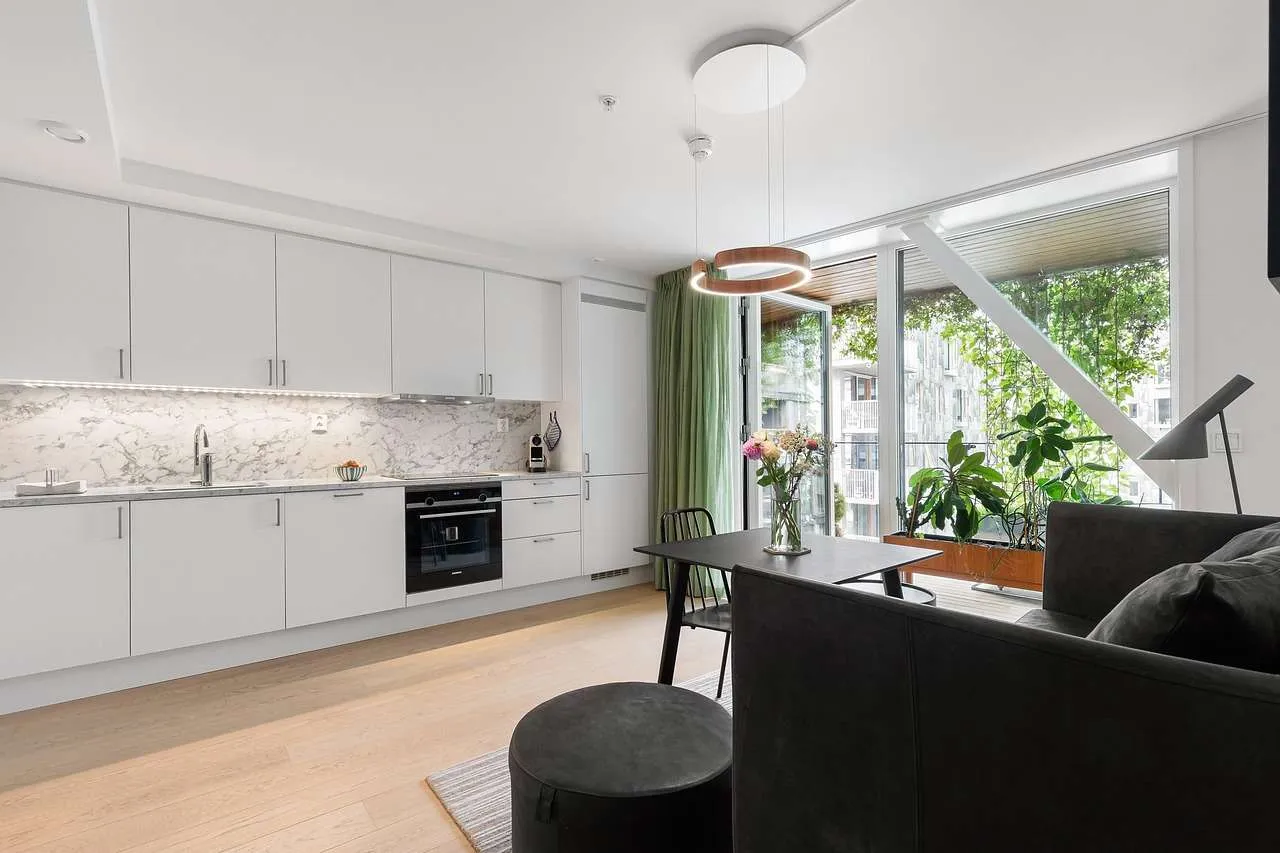
Why window tint for home matters
Window tint for home is more than a cosmetic upgrade. It is a practical solution that reduces heat gain, blocks harmful UV rays, and enhances indoor comfort. For homeowners seeking energy efficiency and increased privacy, properly chosen residential window tint can lower cooling loads in summer, protect furnishings from fading, and create a more comfortable living environment. When selecting a tint, it’s important to balance light transmission, glare control, and aesthetic goals while complying with local regulations. This guide provides an expert overview to help you make an informed decision, aligning with best practices to ensure transparency, safety, and long-term value.
What is window tint for home?
Window tint for home refers to a thin film applied to interior or exterior glass to alter its light and heat transmission. Modern window films come in various compositions—dyed, metalized, ceramic, or hybrid blends—each offering different performance characteristics. Unlike ordinary blinds or curtains, window tint acts as a permanent barrier against infrared heat and UV radiation, while preserving outward visibility. When installed by trained professionals or well-qualified installers, these films typically come with warranties and meet industry standards for safety and performance.
Popular tint types
Affordable and improves privacy with a uniform color but can fade over time and may offer moderate heat rejection. - Metalized or metallized films: Excellent heat rejection and strength, but can interfere with electronics or cell signals if applied in heavy densities.
- Ceramic films: High performance with superior heat control, UV protection, and minimal signal interference; often the best long-term value.
- Hybrid films: A compromise between dyed and ceramic or metalized options, offering balanced performance and cost.
- Reflective (mirrored) films: Strong glare reduction and privacy from outside, though may affect appearance and require professional installation for uniformity.
Key benefits of window tint for home
- Energy savings: By reducing solar heat gain, tint lowers cooling demand and can shorten peak-load periods.
- UV protection: Most films block up to 99% of UV rays, protecting furnishings, flooring, and artwork from fading.
- Glare reduction: Improves comfort for screens, reading, and everyday activities without sacrificing natural light.
- Privacy and security: Closer, uniform appearance enhances privacy and can deter intruders by obscuring interior views.
- Safety and durability: Films hold glass shards in place during breakage and can provide additional resistance to shattering.
Choosing the right tint for your climate and home
Selecting the right tint involves climate, window orientation, and room function. Key metrics to understand are Visible Light Transmittance (VLT) and Solar Heat Gain Coefficient (SHGC). In hot, sunny climates, higher heat rejection (lower SHGC) and moderate VLTs provide the most benefit while preserving daylight. In milder regions, homeowners may prioritize privacy or glare control with lighter VLT values. Consider room-by-room needs: living areas near large glass walls, bedrooms needing privacy, and west-facing rooms receiving intense sun. A qualified installer can help translate these goals into an appropriate film specification that complies with local laws and homeowners association rules if applicable.
Professional installation vs. DIY
Professional installation is recommended for most residential tint projects. Trained installers ensure bubble-free adhesion, precise edge sealing, and uniform film appearance across all panes, including difficult shapes and curved glass. DIY kits exist, but improper application can lead to bubbling, peeling, and reduced warranty coverage. When hiring, look for installers with manufacturer training, relevant certifications, and a portfolio of completed homes. Ask about warranties, surface preparation requirements, and whether the film can be removed without damaging the glass.
Cost and return on investment
Costs vary by film type, window size, and number of panes. Typical residential tint projects range from a few hundred to several thousand dollars. Ceramic and high-performance films command higher upfront costs but often deliver greater energy savings and longer durability, improving payback time over several years. Energy savings depend on climate, orientation, and existing window quality. In many homes, you can expect discernible reductions in cooling bills, fewer hot spots, and better interior protection from UV damage—benefits that contribute to occupant comfort and furniture preservation over time.
Maintenance and legal considerations
Maintenance is simple: clean the film with non-abrasive cleaners and soft cloths, following the manufacturer’s guidelines. Avoid ammonia-based cleaners on some films, as they can cause hazing or edge lift. Regarding legality, many jurisdictions regulate tint darkness on front-side windows or require visibility standards for privacy. Your installer should verify local codes and HOA restrictions and obtain any necessary permits. Reputable professionals also provide guidance on warranty terms tied to maintenance and professional installation.
Comparison of window tint types
| Type | UV Protection | Energy Savings | Privacy | Durability | Maintenance | Cost |
|---|---|---|---|---|---|---|
| Dyed | Good | Moderate | Moderate | Lower | Low maintenance | Low |
| Metalized | Excellent | High | Moderate | High | Moderate | Medium |
| Ceramic | Excellent | Very High | High | Very High | Low maintenance | High |
| Hybrid | Very Good | High | Moderate-High | High | Moderate | Mid |
| Reflective | Excellent | High | Very High (from outside) | High | Moderate | Medium-High |
Plan your window tint project
To begin, inventory your windows (sizes, pane types, and any nuisance edges). Request quotes from two to four installers with documented experience in residential projects and references. Ask for sample films to view under different light conditions and ensure the warranty covers installation labor and film defects. Confirm that the chosen film complies with local codes and that the installer provides professional cleaning and post-installation inspection. Finally, schedule the work during a period with moderate weather to avoid rapid temperature swings that could affect curing.
Conclusion, window tint for home is a strategic update that blends aesthetics with practical benefits. By understanding the types, performance metrics, and installation considerations, you can select a solution that enhances comfort, protects interiors, and delivers long-term value for your home.