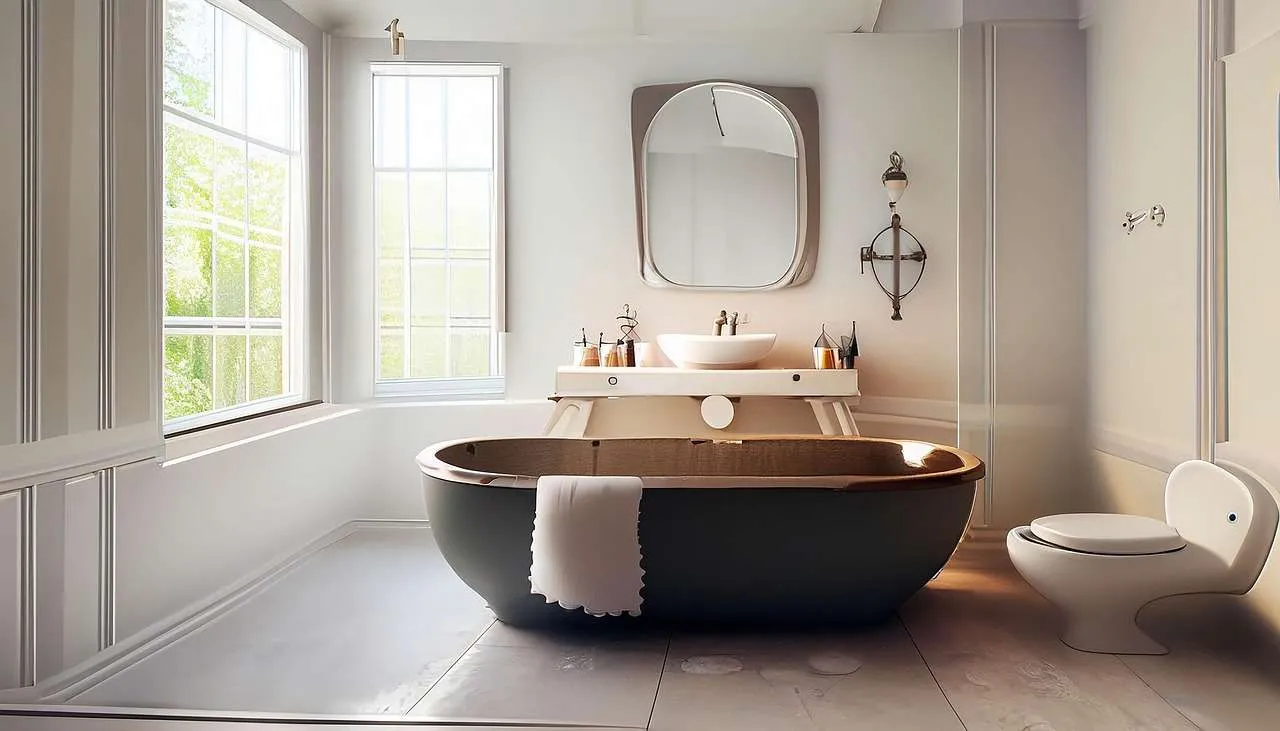
Small bathrooms can feel cramped, but with the right design ideas you can create a space that is both functional and stylish. This guide on small bathroom ideas covers layout, fixtures, storage, lighting, and finishes to help you stretch every square inch while maintaining a high end look. Whether you are remodeling a powder room or updating a guest bath, the strategies below emphasize efficiency, durability, and timeless appeal.
Key principles for small bathroom ideas
Start with a clear plan that respects circulation and scales fittings to the space. Favor clean lines, minimal clutter, and materials that reflect light. A well considered layout keeps the door clear and ensures comfortable use of sink, toilet, and shower. Light reflecting surfaces and consistent color palettes visually expand the room and create a cohesive feel.
Space saving fixtures and storage
Layout and circulation
In a small bathroom, every inch counts. Place the toilet and sink so that a standard doorway can open fully and consider a corner or wall mounted vanity to free floor space. If early relocation is possible, a pocket door can reclaim valuable doorway width and improve traffic flow.
Fixtures that save space
Opt for wall mounted or recessed fixtures. A wall mounted vanity with integrated sink creates the illusion of more floor space. A compact or wall mounted toilet frees up room behind the bowl, and a curved glass shower enclosure or a corner shower with sliding doors reduces bulk while keeping the space open.
Smart storage solutions
Use recessed niches in the shower for toiletries to avoid clutter on the tub lip. A tall, slim linen cabinet or a mirrored medicine cabinet adds storage without widening the room. Floating shelves above the toilet or narrow vertical storage units maximize vertical space and keep counters clear.
Lighting and color to enlarge the space
Good lighting transforms perception in a small bath. Combine ambient lighting with task lighting around the mirror and consider recessed lighting to minimize visible fixtures. Light colors work best; white, off white, and pale neutral palettes reflect more light. For contrast, add a single accent color through towels or a small tile border. Large format tiles reduce grout lines and create a seamless feel, while glass or high gloss surfaces bounce light around the room.
Finishes, materials and moisture considerations
Choose moisture resilient materials that withstand humidity. Ceramic or porcelain tiles, solid surface countertops, and glass shower enclosures are practical and durable. Use non slip flooring for safety and select sealants that resist mold. A cohesive finish across walls and cabinetry helps the space read as larger rather than compartmentalized.
Budget, planning and implementation
Plan the project with accuracy to avoid cost overruns. Start with a floor plan, measure all fixtures, and list must have vs nice to have items. Prioritize permanent fixtures that add value, such as a wall mounted vanity or a frameless glass shower, and layer lighting to enhance usability. For a tighter budget, consider cosmetic upgrades like new paint, updated hardware, and recessed niches rather than major plumbing changes.
Comparison table: space saving options
| Option | Pros | Cons | Best for |
|---|---|---|---|
| Wall mounted vanity | Creates floor space, easy to clean | Requires solid wall support and plumbing in wall | Small baths that need airiness |
| Pocket or sliding door | Maximizes doorway width, reduces congestion | Installation complexity, cost | Narrow floor plans |
| Frameless glass shower | Visual openness, less visual clutter | Water containment requires careful sealing | Open feel with a single wet area |
| Recessed niches and niches | Keeps toiletries off counters | Carpentry and waterproofing details | Shower or bath zones with clutter prone items |
In practice, many homeowners combine several small changes to achieve a cohesive result. For example, a compact wall mounted vanity paired with a frameless shower and recessed niche lighting can dramatically improve perceived space without sacrificing usability. Remember that high quality, moisture resistant materials contribute to longevity and reduce maintenance, helping the investment pay off over time.
Case in point, a typical 5 by 8 foot bathroom can become more functional with a corner vanity, a hinged or sliding shower door, and a vertical storage cabinet. Floor space is preserved by eliminating bulky freestanding furniture and using reflective surfaces to bounce light. The result is a small bathroom that feels larger, cleaner, and more comfortable for daily use.
Summary: By prioritizing layout, choosing space saving fixtures, maximizing storage, and using bright finishes and layered lighting, you can deliver compelling small bathroom ideas that enhance usability and visual appeal. A thoughtful plan paired with durable materials ensures a long lasting result that fits a tight footprint while delivering a calm, stylish space.